考研英语阅读:2026年考研英语二 阅读 Text 3
2026-08-09
浏览(1)
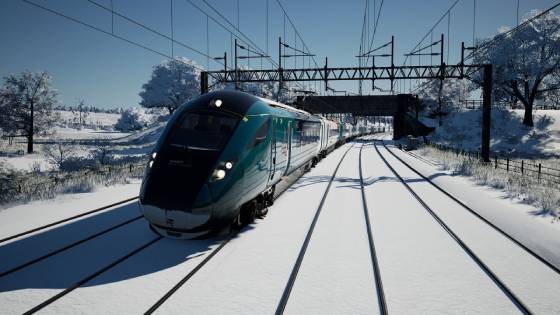
Since the 2008 launch of the high-speed rail network between Rome and Milan, trains have become the preferred means of travel across Italy for locals and tourists alike. Fast trains can cover the 500km between the two cities in three hours. The network also connects Naples, Bologna, Florence and Turin. In many cases, it is the best option— in terms of travel time and cost— for both leisure and business travellers.
This is why the recent severe delays caused by numerous maintenance works have thrown the rail industry into chaos at a time when most people Head on holiday, which matters for business in a country where tourism accounts for 10 percent of GDP.
Disruptions have become increasingly frequent with train delays now a fixture in Italian media coverage. Ferrovie dello Stato Italiane, the publicly controlled group that owns train operator Trenitalia and the national train network RFI, said 23 percent of all high-speed trains it operated were late in 2023.
The huge improvements in Italy's obsolete infrastructure partly explained the disruption, said Ferrovie. RFI, the network operator, is the single largest European recovery fund beneficiary with planned investments of €24bn by 2026. Ferrovie will invest a total of €124bn in infrastructure over the next 10 years.
But lack of capacity is another problem. Transport economist Andrea Giuricin said the planned investments would bring improvements but disruptions in the meantime were inevitable. “We have a mixed system, there is no spare capacity and as soon as there’s a hiccup on the line, the situation becomes highly complex, ” he said. A mixed system means that high-speed trains must travel on the regular tracks on certain routes or when passing through large cities. If there’s congestion or, for example, a local train breaks down, the entire high-speed network is affected.
One of the most important changes the upgrades will bring is the segregation of the high-speed line from the regular one in certain urban centres through the construction of underground rail links.
Improvements will also come from the high-density technology and satellite signalling that RFI has been investing in for years, say experts. It will allow for a reduction of the distance between high-speed trains travelling on the same line at any given time, which should mean a significant increase in capacity and traffic fluidity, according to Giuricin.
31. According to the first two paragraphs, the high-speedrail network in Italy ________.
[A] is seen by tourists as outdated
[B] is a popular option for travelling
[C] is inadequately utilised by locals
[D] is an example of good maintenance
32. Ferrovie is quoted in Paragraph 3 to show ________.
[A] the common occurrence of train delays
[B] the value of the Italian train network
[C] the wide media coverage of trains
[D] the high efficiency of Trenitalia
33. Which of the following is one cause of the disruptionsin the network?
[A] Complex train schedules.
[B] Shortage of investments.
[C] Its limited capacity.
[D] Its massive scale.
34. It can be learned that the mixed system________.
[A] provides a wide choice of routes
[B] requires extra operational spending
[C] increases the level of travel comfort
[D] puts the high-speed network in trouble
35. Improvements to the Italian train network will include________.
[A] reconstructing the regular train lines
[B] shortening high-speed train intervals
[C] building more stations in urban centres
[D] enhancing the safety of high-speed trains

扫码查看更详细解析
点击查看解析和答案
链接:https://wxmpurl.cn/W030EIB9gDl
关于

乐其英语 乐在其中